Humidity is a silent destroyer of furniture. According to a recent report by the Furniture Research Institute, nearly 30% of homeowners face humidity-related issues each year. Damage from high moisture can warp, crack, or mold wood and furniture finishes. This emphasizes the importance of knowing how to protect furniture from humidity damage.
Expert Emily Carter, a leading authority on furniture preservation, notes, “Understanding the environment around your furniture is key to its longevity.” Her insights highlight that proactive measures can significantly reduce the risk of damage. For instance, maintaining indoor humidity levels between 30% and 50% can mitigate many issues related to moisture. Yet, many people neglect simple solutions like using dehumidifiers or strategically placing furniture away from damp walls.
Awareness and action are crucial. Many homeowners overlook the detrimental effects of humidity until it's too late. Understanding how to protect furniture from humidity damage involves not just knowledge, but also commitment to maintaining a controlled environment. Small adjustments can make a significant difference. Protecting your investment shouldn’t feel overwhelming; it should inspire thoughtful care instead.
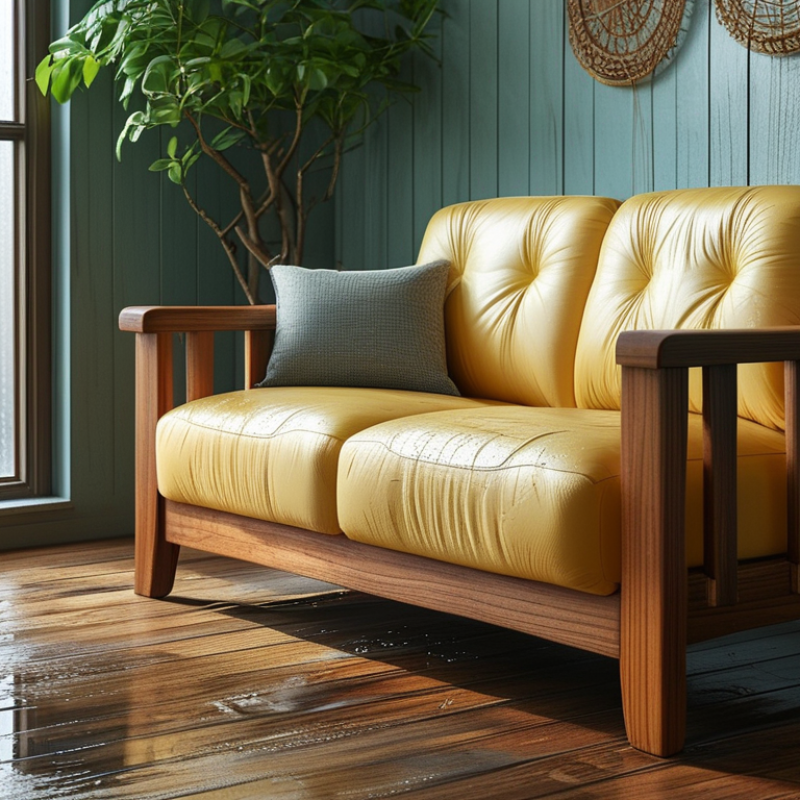
Understanding Humidity and Its Effects on Furniture
Humidity can significantly impact furniture, causing warping and mold growth. Understanding humidity is crucial for protecting your belongings. High humidity levels can lead to damage over time. Wood furniture can absorb moisture, swelling and cracking in response. Upholstered pieces may develop mildew, leading to health concerns.
Monitoring indoor humidity, ideally between 30% and 50%, is vital. Using dehumidifiers helps maintain this balance. Ventilation plays a key role too. Open windows on dry days or use exhaust fans in high-moisture areas like kitchens and bathrooms. Yet, over-ventilation can create drafts that may damage certain furniture finishes.
Consider protective coatings for wood items. Applying sealants can offer a barrier against moisture. However, not all sealants work well with every type of finish. Experimentation might be necessary to find the right solution. Regularly inspect your furniture for early signs of damage. Addressing issues promptly can save you from larger repair costs later.
Best Materials for Humidity-Resistant Furniture
When considering humidity-resistant furniture, the choice of materials is crucial. Wood, while beautiful, can absorb moisture and warp. According to a 2022 study by the Furniture Research Institute, approximately 40% of furniture damage comes from humidity fluctuations. On the other hand, materials like metal and plastic show higher resilience. For example, aluminum furniture is lightweight and does not corrode easily, even in humid conditions.
Synthetic materials, such as high-density polyethylene, are another excellent option. These materials resist moisture and do not swell or crack. They are perfect for outdoor settings where rain and dew can impact furniture longevity. A report from the National Association of Home Builders states that outdoor furniture made from synthetic materials lasts up to ten years longer than its wooden counterparts.
While humidity-resistant materials are beneficial, even the best choices require care. Regular maintenance is essential to extend the life of your furniture. Waxing or sealing can help protect wood, but users often overlook these tasks. Understanding the pros and cons of each material can guide consumers towards more informed decisions. Investing in quality components may initially cost more, but it pays off in durability and satisfaction over time.
Methods to Control Indoor Humidity Levels
Controlling indoor humidity is crucial for protecting furniture from damage. High humidity levels can lead to mold growth, warping, and degradation of materials. According to the Environmental Protection Agency, indoor humidity should ideally be between 30% and 50% for optimal conditions. Monitoring this range can prevent potential harm to your cherished furniture.
To manage humidity, using a dehumidifier can be effective. These devices help to remove excess moisture from the air. Studies indicate that maintaining relative humidity below 60% can significantly reduce the risk of mold and decay. Additionally, proper ventilation in rooms can help circulate air and maintain consistent humidity levels. Opening windows or using exhaust fans during damp conditions allows excess moisture to escape.
Regularly checking for leaks or water damage is essential. Furniture placed near windows or doors may absorb moisture from the air or surrounding surfaces. It’s important to consider the material of your furniture as well. Solid wood is particularly susceptible to changes in humidity, potentially leading to cracks or splits. Protecting furniture involves not only monitoring humidity but also taking steps to reinforce your indoor environment.
Protective Coatings and Treatments for Furniture
Protecting furniture from humidity damage is essential for maintaining its beauty and longevity. One effective method is to apply protective coatings. These coatings create a barrier that prevents moisture from seeping into the wood. Consider using polyurethane or lacquer, as they provide a strong, water-resistant layer. Ensure proper application by sanding the surface and allowing enough drying time.
Another treatment option is to use moisture-absorbing products. Desiccant materials can be placed in drawers and cabinets to control humidity levels. Silica gel packets or activated charcoal are excellent choices. These products help maintain a stable environment, reducing the risk of warping and mold growth.
Regular maintenance is key. Check your furniture frequently for signs of damage. Wipe down surfaces with a dry cloth to remove any moisture. For outdoor furniture, invest in tarps or weatherproof covers when not in use. Humidity can be tricky, and learning from past experiences is essential. Sometimes, even the best treatments may fail if not applied correctly. Constant vigilance and care will ultimately enhance the durability of your furniture.
Tips for Seasonal Furniture Maintenance Against Humidity
Seasonal changes can lead to increased humidity, affecting your furniture's longevity. Wood and fabric are particularly vulnerable to moisture damage. One effective approach is to regularly check your furniture for signs of excess humidity, such as warping or mold. Make it a habit to inspect your pieces during the rainy season or after sudden temperature changes.
Using dehumidifiers in your home can significantly reduce moisture levels. These devices draw out excess humidity, keeping furniture safe. Placing silica gel packets in drawers or corners can also absorb moisture effectively. Don't forget about air circulation; open windows on dry days to allow fresh air to flow through your home.
Periodic maintenance is crucial. Wipe down surfaces with a damp cloth to prevent the buildup of moisture. You might consider applying a protective finish to wooden items. While this can help repel water, it's important to refresh it regularly. Reflect on your furniture care routine, adjusting as needed to ensure your beloved pieces stay in top condition.
FAQS
: Humidity can cause warping, mold growth, and overall damage to furniture over time.
The ideal indoor humidity level is between 30% and 50% to protect your belongings.
Use dehumidifiers and open windows on dry days for better ventilation and moisture control.
Metal and synthetic materials, like aluminum and high-density polyethylene, resist moisture well.
Regular maintenance, like waxing or sealing, extends furniture life but is often overlooked by users.
Inspect your furniture regularly and address any issues promptly to avoid costly repairs later.
Yes, sealants can provide a moisture barrier, but compatibility with finishes may vary.
High humidity levels can lead to mold, warping, and degradation of furniture materials.
Yes, synthetic outdoor furniture lasts longer than wooden furniture due to better moisture resistance.
Over-ventilation can create drafts that may damage certain furniture finishes.
Conclusion
Understanding how to protect furniture from humidity damage is essential for maintaining the longevity and appearance of your home furnishings. Humidity can adversely affect various materials, leading to warping, swelling, and mildew. To counteract these effects, choosing humidity-resistant materials is vital. Solid woods and corrosion-resistant metals tend to withstand moisture better than other materials.
Controlling indoor humidity levels is another key strategy, which can be achieved through dehumidifiers and adequate ventilation. Applying protective coatings and treatments to furniture surfaces can further enhance resistance to moisture. Additionally, seasonal maintenance practices, such as storing furniture properly during high-humidity seasons and inspecting for signs of damage, can help preserve the integrity of your furnishings. By following these guidelines, you can effectively shield your furniture from the detrimental impacts of humidity.

 Ambrose Home