Choosing durable furniture begins with a practical question: what is the most durable wood for home furniture? The answer depends on daily use, room conditions, construction quality, and maintenance. Teak, white oak, maple, walnut, and ipe are often respected for their strength and stability. However, no wood performs perfectly in every home. A dining table facing strong sunlight may age differently from a bedroom cabinet.
Durability is more than hardness. Dense wood can resist dents, but poor drying may cause warping or cracks. Teak handles moisture well because its natural oils protect the grain. White oak offers reliable strength and attractive open pores. Hard maple provides a smooth, firm surface for desks and kitchen furniture. Walnut is durable, although its softer surface may show marks sooner. Experienced furniture makers also inspect grain direction, moisture content, joint design, and finishing methods.
Details matter. A well-fitted mortise-and-tenon joint can outlast a poorly assembled piece made from expensive timber. That is easy to overlook. Responsible manufacturers should explain the wood species, kiln-drying process, finish, and expected care. Buyers should also ask whether the timber comes from credible, responsibly managed sources. There is no universal winner. The best choice balances hardness, stability, appearance, budget, and the furniture’s actual environment. Sometimes, a carefully built oak table will serve better than a neglected teak one. That conclusion deserves honest reflection.
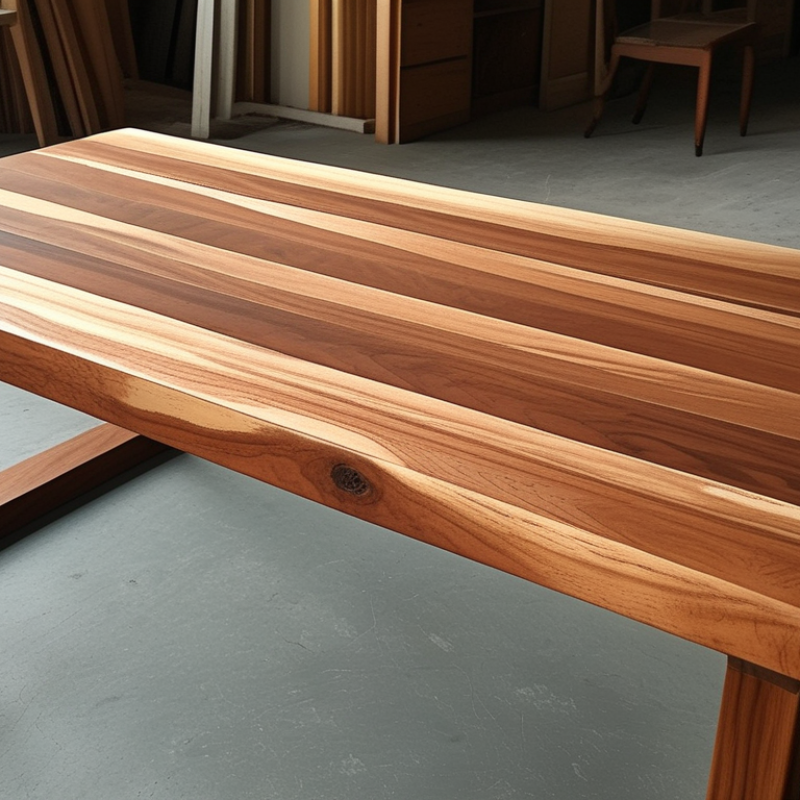
Wood durability depends on more than hardness. Dense wood usually resists dents, scratches, and daily wear, but moisture stability matters just as much. A very hard species can still crack when indoor humidity changes. Grain structure, natural oils, and resistance to insects also affect long-term performance.
In practical furniture work, stable wood is often the safer choice than the hardest wood. Tight, straight grain helps boards remain predictable during cutting and assembly. Properly dried timber is essential. Wood with excessive internal moisture may shrink after installation, causing loose joints or uneven surfaces. A protective finish adds another layer of defense against spills and sunlight, though no finish prevents every mark. No wood is perfect. That is worth remembering.
Tips: Check moisture content before construction, especially for dining tables and cabinets. Look for straight grain, limited end cracks, and secure joinery. Keep furniture away from heaters and direct sunlight. Wipe spills quickly. Use coasters and felt pads. These small habits often matter more than choosing an extremely expensive wood. Consider the room’s humidity, because a beautiful table may fail in a poorly controlled environment.
Choosing durable furniture wood requires more than asking which species is hardest. The USDA Forest Products Laboratory’s 2021 Wood Handbook lists hickory at about 1,880 lbf on the Janka hardness scale. Hard maple reaches roughly 1,450 lbf. White oak follows near 1,360 lbf, while walnut measures about 1,010 lbf. These figures show resistance to dents, not complete furniture lifespan.
Real durability depends on moisture control, grain quality, joinery, and surface maintenance. White oak often performs well because its closed pores slow moisture movement. Hickory resists impact, but its density can make precise joinery more demanding. Walnut is softer, yet it offers excellent stability and develops a rich surface with age. The USDA report also warns that decay resistance varies between sapwood and heartwood. A rating is not a promise. Workshop experience still matters.
Tips: For dining tables, choose quarter-sawn oak or hard maple when daily impact is expected. Keep indoor humidity near 30–50% to reduce seasonal movement, according to guidance commonly used in wood-product preservation. Inspect end grain before purchase; visible cracks can widen over time. Ask about the wood’s moisture content, ideally around 6–8% for many interior environments. I would not choose the hardest species automatically. A poorly dried board can fail sooner than a softer, well-prepared one.
The most durable wood depends on where the furniture will live. For indoor furniture, white oak offers strong grain, excellent hardness, and reliable resistance to daily wear. Black walnut is also stable and attractive, but it needs more care around sharp impacts and standing water. In workshops, woodworkers often judge durability by more than hardness. Stable boards, tight joinery, and careful drying matter just as much.
Outdoor furniture faces sunlight, rain, insects, and changing temperatures. Teak performs well because its natural oils help resist moisture and decay. Ipe is extremely dense and durable, though its weight can make installation difficult. Black locust is another practical choice for exposed furniture. Still, no wood is indestructible. Even strong timber may crack when water collects around joints or end grain. I have seen beautifully made pieces fail because drainage was ignored.
Tips: Choose kiln-dried wood with straight, stable boards. Seal exposed end grain before outdoor use. Leave small gaps between slats so rain can escape. Wipe spills from indoor furniture quickly. For outdoor pieces, inspect fasteners and joints each season. A shaded location can extend the wood’s life, although it may not look as dramatic. Reapply a suitable finish only when the surface appears dry, faded, or rough.
China Best What Is the Most Durable Wood for Furniture?
Moisture often decides whether durable furniture survives. The USDA Forest Products Laboratory’s Wood Handbook states that decay fungi generally need wood moisture above 20%. A tabletop near a steamy kettle may reach that level repeatedly. Small cracks then hold water, especially around joints and end grain. Teak, white oak, and black locust resist moisture better than many softwoods, but none is waterproof. That distinction matters.
Pests create another weakness. The Wood Handbook explains that termites can damage most untreated woods, while some dense heartwoods offer natural resistance. The American Wood Protection Association’s 2024 standards also classify wood by exposure and required protection. Outdoor furniture needs more than attractive grain. It needs suitable construction, drainage, and protection against soil contact. Keep legs on dry, ventilated surfaces.
Maintenance is practical, not decorative. Wipe spills quickly, inspect joints twice yearly, and renew a compatible exterior finish when the surface begins absorbing water. A simple test helps: sprinkle a few drops on clean wood. If they disappear immediately, protection may be failing. Yet finish alone cannot correct trapped moisture or poor airflow. I have seen expensive hardwood split beside neglected screw holes. The wood was durable. The design was not. Furniture owners should also question one common assumption: heavier wood is not automatically longer-lasting. Reference: USDA Forest Service, Wood Handbook—Wood as an Engineering Material, 2021; AWPA Book of Standards, 2024.
| Wood Species | Typical Janka Hardness (lbf, approximate) |
Natural Decay Resistance | Moisture Performance | Pest Resistance | Maintenance Requirement | Best Furniture Applications | Overall Durability |
|---|---|---|---|---|---|---|---|
| Ipe | 3,680 | Excellent Highly resistant to decay when properly installed and ventilated. |
Very low water absorption compared with many furniture woods; still requires careful construction to limit movement. | High resistance to termites and many wood-boring insects. | Low to moderate; clean regularly and apply a suitable exterior finish if color retention is desired. | Heavy-duty outdoor tables, benches, and high-wear furniture. | Exceptional |
| Teak | 1,070 | Excellent Contains natural oils that help slow decay. |
Very good dimensional stability and strong resistance to humidity and occasional wetting. | Generally resistant to termites and other insects, although no wood is completely pest-proof. | Low; wash periodically, and oil only when a darker appearance is preferred. | Outdoor seating, patio tables, bathroom furniture, and marine-influenced interiors. | Exceptional |
| Black Locust | 1,700 | Excellent Among the more naturally durable temperate hardwoods. |
Good resistance to moisture-related decay when end grain and joints are well protected. | Good natural resistance to termites and decay organisms. | Low to moderate; periodic cleaning and finish renewal may be needed outdoors. | Outdoor furniture, structural components, and high-wear pieces. | Very high |
| White Oak | 1,360 | Very good More decay resistant than many common interior hardwoods. |
Moderate movement with humidity changes; proper sealing is important for wet locations. | Moderate to good resistance, especially when dry and well maintained. | Moderate; use a protective topcoat and repair damaged finishes promptly. | Dining tables, chairs, cabinets, flooring, and sheltered outdoor furniture. | Very high |
| Redwood | 450 | Very good Heartwood is naturally resistant to decay; sapwood is less resistant. |
Good outdoor performance and relatively low shrinkage, but exposed surfaces still weather. | Good resistance to termites and some insects, particularly in durable heartwood. | Moderate; clean and refinish periodically to maintain appearance and reduce surface checking. | Outdoor tables, garden furniture, planters, and lightweight seating. | High |
| Western Red Cedar | 350 | Very good Natural oils provide useful decay resistance. |
Good stability in changing humidity; soft surface can dent and absorb impact. | Generally resistant to termites and some decay-related insects. | Moderate; seal exposed end grain and refinish when the surface begins to weather. | Outdoor chairs, chests, screens, and lightweight furniture. | High |
| Black Walnut | 1,010 | Good Suitable for interior furniture but not normally chosen for constant outdoor exposure. |
Moderate dimensional stability; avoid prolonged dampness and standing water. | Moderate resistance; a sound finish and dry indoor environment improve protection. | Low indoors; dust regularly and renew the finish when it becomes worn. | Premium indoor tables, desks, cabinets, and decorative furniture. | High indoors |
| Hard Maple | 1,450 | Limited Strong and wear resistant, but not naturally decay resistant outdoors. |
Can respond noticeably to humidity changes; keep away from persistent moisture. | Limited natural pest resistance; protective coatings and dry storage are important. | Moderate; maintain a sealed surface and control indoor humidity. | Indoor tabletops, chairs, workbenches, cabinets, and flooring. | High indoors |
| Pine | 380–690 | Low to moderate Durability varies considerably by species and heartwood content. |
More vulnerable to swelling, dents, and moisture-related decay without sealing. | Often vulnerable to termites and wood-boring insects unless treated or well protected. | Moderate to high; inspect regularly, seal all surfaces, and repair scratches or water damage. | Budget indoor furniture, painted pieces, and protected indoor applications. | Moderate |
Choosing durable wood begins with the furniture’s working conditions, not its appearance.
The USDA Forest Products Laboratory’s Wood Handbook reports Janka hardness near 6,450 newtons for hard maple and 5,990 newtons for white oak. These figures suggest strong resistance to dents from chairs, drawers, and daily handling. However, hardness is not the same as decay resistance. Teak measures about 4,740 newtons, yet its natural oils can improve performance in humid environments. A beautiful species can still fail when moisture is ignored.
Check the wood’s moisture content before assembly. The USDA Wood Handbook recommends indoor furniture wood commonly reaching about 6–8% moisture content, depending on local conditions. In a damp workshop, that target may need adjustment. Use a reliable moisture meter, inspect end grain, and reject boards with deep checks or unstable knots. Quarter-sawn boards often move less across their width, although they may cost more and produce more waste. A common mistake is choosing the hardest board available. Hard maple can resist dents, but it may be less forgiving during cutting and may show movement if poorly dried. For a dining table, white oak offers a practical balance of hardness, structure, and workability. For a humid room, species with documented natural durability deserve closer review, while protective joinery and a suitable finish remain essential. The numbers help, but they are not the whole decision.
Durability depends on density, moisture stability, grain structure, natural oils, and insect resistance. Hardness alone is not enough.
No. A stable, well-dried board may outperform a harder board with hidden moisture. That surprised me.
Excess moisture can cause shrinking, loose joints, cracks, and uneven surfaces. Keep indoor humidity near 30–50% when possible.
Inspect the end grain, board straightness, visible cracks, and joinery. Ask about moisture content, often around 6–8% indoors.
Dense wood usually resists dents and scratches. Tight, straight grain also supports cleaner cutting and more predictable assembly.
White oak and hard maple handle frequent impacts well. Walnut offers good stability but needs protection from sharp objects and standing water.
Outdoor wood must handle rain, sunlight, insects, and temperature changes. Natural oils, proper sealing, and drainage all matter.
Wipe spills quickly and use coasters or felt pads. Keep pieces away from heaters and direct sunlight. Small habits matter.
No finish prevents every stain, scratch, or crack. Reapply a suitable finish when the surface becomes dry, faded, or rough.
Water may collect around joints or exposed end grain. Leave gaps between slats, seal vulnerable areas, and inspect fasteners seasonally. I might overlook drainage.
Choosing durable wood for furniture involves more than selecting the hardest species. Durability depends on density, natural resistance to moisture and insects, grain stability, and the environment in which the furniture will be used. Hardwoods such as oak, maple, teak, walnut, and ipe are often valued for their strength and long service life, while each offers different advantages in appearance, maintenance, and cost. The right answer to “what is the most durable wood for home furniture” depends on whether the project is intended for indoor rooms, covered patios, or fully exposed outdoor spaces.
Indoor furniture benefits from stable, well-seasoned wood protected with an appropriate finish, while outdoor pieces require species with strong resistance to humidity, decay, pests, and temperature changes. Even highly durable wood can deteriorate when exposed to standing water, poor ventilation, or neglected surfaces. Regular cleaning, prompt repairs, protective coatings, and sensible placement can significantly extend its lifespan. By balancing strength, climate, design preferences, maintenance needs, and budget, homeowners can choose a wood species that remains attractive and dependable for many years.

Ambrose Home