Choosing the right dining table size for family gatherings is crucial for both comfort and functionality. A well-sized table creates an inviting atmosphere. According to a study by the American Home Furnishings Alliance, 62% of families prioritize comfort over aesthetics in their dining areas. This shows that the right dimensions can significantly impact family interactions during meals.
When considering how to choose the right dining table size for family, each family's needs differ. For instance, a family of four may need a smaller, round table, while larger families or those frequently hosting guests might opt for an extending rectangular design. It's essential to think about available space, allowing 36 inches of clearance around the table for easy movement. However, many overlook this aspect, leading to cramped conditions during meals.
Another important factor is the style of dining. Casual meals may require less formal settings, while holiday gatherings need more space. Insufficient size can dampen the experience, making it uncomfortable. Thus, measuring your space and anticipating future needs are critical. This balance of practicality and personal taste will guide your choice, ensuring that the selected dining table serves not just as furniture, but as the heart of family life.
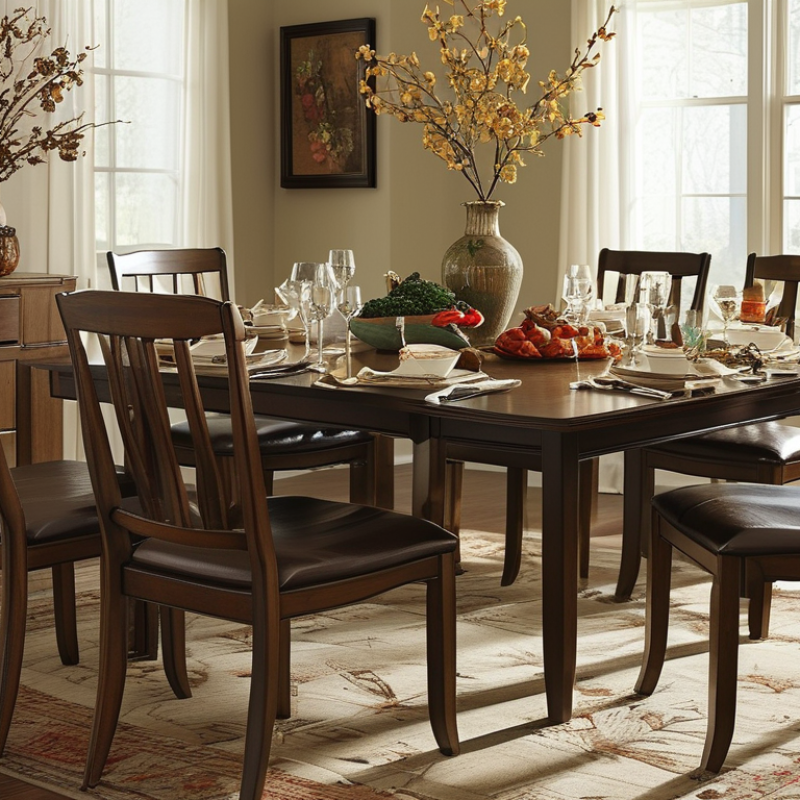
Choosing the right dining table size is crucial for family gatherings. Start by considering your family size. A family of four may not need the same table as a family of six or eight. Visualize everyone seated comfortably. This usually means allowing at least 24 inches of space per person.
Next, reflect on your dining habits. Do you host large holiday dinners? Or is it just casual meals with immediate family? A larger table may suit celebrations, but a smaller one can offer intimacy. Think about your space. A table that feels cramped can dampen the mood.
Consider also the shape of the table. Rectangular tables often work for larger groups, while circular tables encourage conversation. Remember, it’s not just about size. Your dining experience should feel inviting, not overwhelming. Recognizing these factors can lead to a more fulfilling dining atmosphere for your family.
: Consider your family size and seating preferences. Allow at least 24 inches per person for comfort.
Rectangular tables suit larger groups. Circular tables foster better conversation among guests.
Wood offers warmth but needs upkeep. Glass creates a modern look but requires regular cleaning.
Reflect on your home aesthetics. Ensure the table complements your overall style, like mixing materials.
A cramped table can spoil the atmosphere. Consider downsizing for a more inviting dining experience.
Table height should match chair height for comfort. This detail enhances the overall dining experience.
Select a larger table with a versatile design to accommodate guests comfortably.
Yes, some materials like wood may be high-maintenance, especially in homes with children or pets.
Absolutely. Mixing materials can add interest, but ensure everything feels cohesive.
Yes, smaller round tables can create a cozy, intimate atmosphere for casual family dinners.
When considering how to choose the right dining table size for your family, it's essential to start by evaluating your family size and dining habits. A larger family or those who frequently entertain guests may require a bigger table, whereas smaller families may opt for a more compact design. Measuring your available dining space is crucial to ensure that the table fits comfortably without overcrowding the room.
Next, explore different table shapes—round, rectangular, or square—as each offers unique benefits that cater to various interactions and room layouts. Additionally, think about future needs, such as potential family growth or changing lifestyles, that may necessitate flexibility in your dining arrangements. Finally, selecting the right material and design is key to matching the dining table with your home's overall aesthetics, ensuring it enhances your living space while serving its purpose effectively.

 Ambrose Home