Upholstered furniture adds comfort to our homes. However, keeping it clean can be challenging. Many people wonder how to clean upholstered furniture without damage. Cleaning methods vary based on the fabric type. Using the wrong approach can lead to fading or tearing.
It is essential to understand your furniture's material. Some fabrics require gentle care, while others may be more resilient. A vacuum is a great first step to remove loose dirt. Yet, deep stains need a careful touch. Finding suitable cleaners is crucial to avoid any adverse effects.
Remember, sometimes our attempts may not yield perfect results. Spot testing is vital before applying any cleaner broadly. Even professionals encounter mishaps. Learning how to clean upholstered furniture without damage demands patience and practice. Being cautious can make all the difference in preserving your beloved pieces.
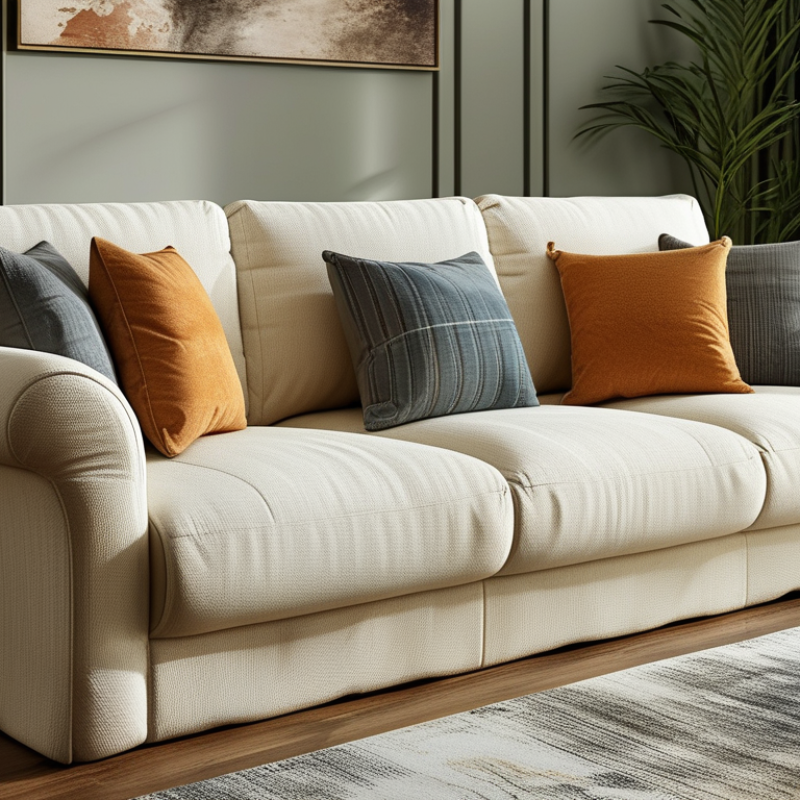
When it comes to upholstered furniture, understanding the types of fabrics is essential. Each material has unique care requirements. For example, natural fibers like cotton and linen are breathable but may stain easily. Synthetic fabrics, on the other hand, are generally more resistant to spills. However, they can sometimes show wear more quickly than natural options.
Microfiber is a popular choice due to its durability and ease of cleaning. It can withstand heavy use, making it ideal for families. You might find that it collects dust and pet hair, though. Regular vacuuming is essential to maintain its appearance. Leather is another common upholstery material. It offers a luxurious look but requires special care to prevent cracks. Using a damp cloth can help, but too much moisture can cause damage.
Knowing these details is key to cleaning without damaging your furniture. Always test cleaning solutions in an inconspicuous area first. Some fabrics can react negatively to certain chemicals. It’s wise to have a plan for each type of fabric in your home. Reflecting on what works best will save you time and frustration in the long run.
Cleaning upholstered furniture requires the right tools and materials. To prevent damage, consider using a vacuum cleaner with a brush attachment. This helps remove dust and debris without harming the fabric. According to the American Cleaning Institute, 70% of household dust contains allergens. Regular vacuuming can help reduce these irritants.
Microfiber cloths are another essential item. They are soft and effective at trapping dirt without scratching surfaces. Using plain water or a mild detergent solution will maximize cleaning effectiveness. The fabric's integrity should be verified before applying any cleaning solution. The fabric should ideally have a cleaning code—W, S, or WS—indicating the best cleaning method.
Steam cleaners can be useful for deeper cleaning. These machines use hot steam to lift stains and sanitize surfaces. However, improper use can lead to water damage or fabric distortion. It's essential to test a small, hidden area first. For upholstered items, a clean-up may need to be re-evaluated. Adjusting techniques may yield better outcomes. Always keep in mind that even safe methods can occasionally result in unforeseen damage. Reflecting on past experiences can guide better future decisions.
Cleaning upholstered furniture can be challenging, especially when dealing with stains. Start by identifying the fabric type. Different materials require different cleaning solutions. Check the tags for care instructions. This can prevent potential damage during cleaning.
For liquid stains, act quickly. Blot the stain gently with a clean cloth. Avoid rubbing; this can spread the stain. Use a mixture of water and mild soap to treat the area. Test this solution on an inconspicuous spot first. This step is crucial to ensure the color doesn't fade.
For tougher stains, consider a homemade solution. Combine white vinegar and water. Apply it to the stain with a spray bottle. Blot again with a clean cloth. Rinse with a damp cloth afterward. Always allow the fabric to dry completely. Improper drying can lead to mold and odors. Regular maintenance is key. Vacuum your furniture weekly to prevent dirt buildup.
| Stain Type | Cleaning Solution | Cleaning Method | Drying Time |
|---|---|---|---|
| Coffee | White Vinegar and Water | Blot with a cloth, apply solution, and scrub gently. | 2-4 hours |
| Red Wine | Club Soda | Blot with a cloth, pour club soda, and blot again. | 2-3 hours |
| Grease | Dish Soap and Warm Water | Apply solution, work into the stain, rinse with water. | 1-2 hours |
| Ink | Isopropyl Alcohol | Dab with alcohol on a cloth and blot the stain. | 1-3 hours |
| Food Coloring | Hydrogen Peroxide | Apply to stain, let sit, then wipe off. | 1-2 hours |
Cleaning upholstered furniture requires regular maintenance to keep it looking its best. Start by vacuuming the fabric at least once a week. This removes dust, dirt, and pet hair that can accumulate over time. Use an upholstery attachment for reaching difficult areas. Pay attention to seams and crevices where debris often hides.
Stains can happen. When they do, address them quickly. Blot spills with a clean cloth instead of rubbing. This prevents spreading the stain further. Test any cleaning solution on a hidden area first to avoid discoloration. Regularly rotate cushions and pillows to ensure even wear. It’s a simple step that can extend the life of your furniture.
Consider using fabric protectors periodically, but research methods that suit your fabric type. Some protectors may not adhere well to certain materials, leading to unintended issues. Be mindful of wear and tear as well. Even with careful cleaning, upholstery may still show signs of use. Recognize when it’s time for deep cleaning or professional help to maintain your furniture's charm.
To maintain the integrity of upholstered furniture, preventing future damage is essential. Regular preventive measures are more effective than repairs. According to a study by the American Home Furnishings Alliance, 30% of furniture-related issues stem from inadequate maintenance or cleaning practices. Identifying potential problems early can save both time and money.
One proactive approach is to apply fabric protectors that repel stains and moisture. These products create a barrier on upholstery, making it easier to clean up spills. However, it's crucial to test these protectors on a hidden area first. A minimum of 15% of users report unexpected discoloration when applying protectors improperly. Additionally, regular vacuuming, at least once a week, can prevent dust accumulation, which may lead to fabric deterioration.
Using coasters on side tables can prevent water rings and damage from intense heat. Even small actions matter. Educating family members about the importance of avoiding food and drinks on upholstered surfaces is equally vital. Small habits can lead to significant long-term effects. Balancing proactive measures with ongoing care ensures your furniture remains not only clean but also safe from future damage.
: Upholstery fabrics include natural fibers like cotton and linen, and synthetic options. Each type requires specific care.
Microfiber is durable but collects dust and pet hair. Regularly vacuum it to maintain its appearance.
Use a damp cloth for cleaning leather. Too much moisture can cause cracks, so be careful with moisture levels.
Testing in a hidden area prevents possible discoloration or damage to the fabric. It’s a cautious and wise approach.
Vacuum at least once a week. This helps remove dust, dirt, and allergens, keeping your furniture clean and healthy.
Yes, improper steam cleaning can cause water damage or fabric distortion. Always test a small area first to ensure safety.
Blot the spill with a clean cloth immediately. Avoid rubbing to prevent spreading the stain further.
Regularly rotate cushions and pillows. This simple practice helps prevent uneven wear and keeps them looking fresh.
Not all protectors work well on every fabric. Research options that suit your upholstery type to avoid issues.
Look for visible wear, stains, or lingering odors. If regular cleaning isn’t effective, it’s time to seek professional help.
Cleaning upholstered furniture can be a daunting task, but understanding the types of fabrics and their specific requirements is crucial for ensuring a successful cleaning process. To begin with, it’s important to gather essential tools and materials to safely address any cleaning needs. A step-by-step guide to stain removal techniques will help you tackle common problems without compromising the integrity of the upholstery.
Regular maintenance and care practices play a vital role in extending the lifespan of your furniture, while protective measures can prevent future damage. By following these guidelines on how to clean upholstered furniture without damage, you can maintain the beauty and functionality of your furniture for years to come. Taking the right precautions ensures that your cleaning efforts are effective and safe, allowing your upholstered pieces to remain in great condition.

Ambrose Home