10 Easy Tips to Fix Scratched Wooden Table at Home?

Time:2026-07-24 Author:Henry
0%

Scratched wooden tables can be an eyesore, but they are not irreparable. According to a report by the National Wood Flooring Association, nearly 40% of homeowners experience surface scratches on their wooden furniture. Knowing how to fix scratched wooden table at home is essential for maintaining the beauty and longevity of your investment.

Expert woodworker Sarah Johnson emphasizes, "A few simple techniques can restore your table's charm without professional help." In her recent guide, she shares practical methods that anyone can use. These tips not only enhance the visual appeal of your furniture but also increase its lifespan.

While there are many solutions available, not every method works for every scratch. It is important to test any repair technique on a small, inconspicuous area first. This trial-and-error approach will help you find the best solution tailored to your table's specific finish and wood type. By following the right steps, you can reclaim the elegance of your wooden table and take pride in your DIY skills.
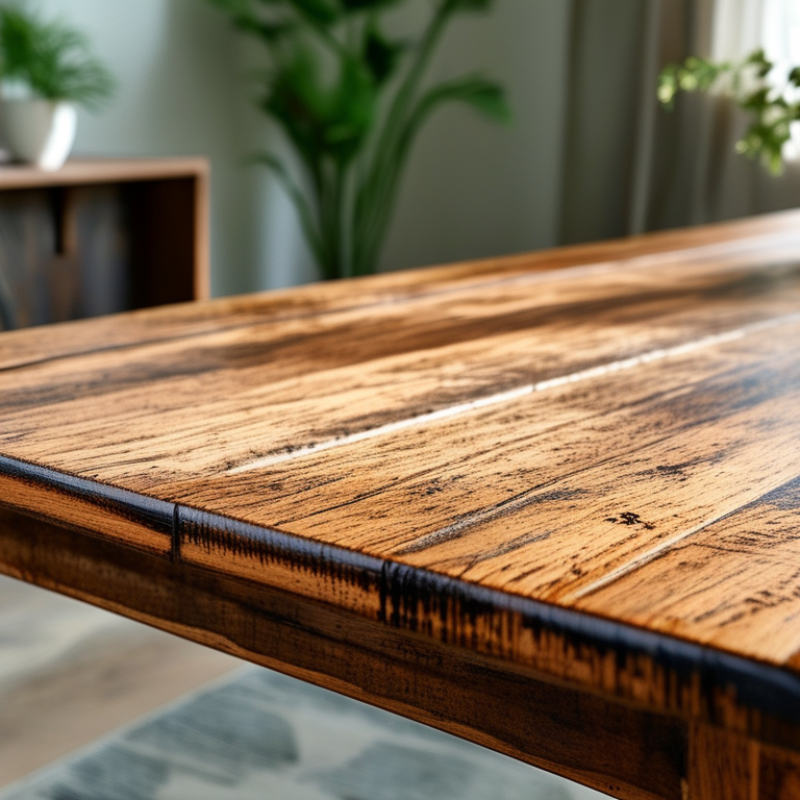
10 Easy Tips to Fix Scratched Wooden Table at Home?

Understanding the Types of Scratches on Wooden Tables

When dealing with scratches on wooden tables, understanding the types is crucial. There are surface scratches that only affect the finish. These are often light and can be remedied easily. Deeper scratches penetrate the wood, requiring more effort to fix. Identifying the severity helps choose the right techniques for repair.

Light scratches can often be fixed with household items. Rubbing a walnut over the scratch can help fill it in. For deeper scratches, a wood filler or wax crayon matching the table's color may be necessary. Take your time to match the tone correctly. This can be a trial-and-error process, and it might not yield perfect results.

However, even the best methods may leave traces. Some imperfections can remind us of the table's journey. Embracing these marks may enhance its character. Reflect on the memories created around the table. Over time, the beauty of the wood evolves, just as we do. It's important to accept that some scars tell a story.

10 Easy Tips to Fix Scratched Wooden Table at Home - Understanding the Types of Scratches on Wooden Tables

Scratch Type Best Repair Method Required Materials Estimated Time
Light Surface Scratches Use a Walnut Walnut, Soft Cloth 5 minutes
Deeper Scratches Wood Filler Wood Filler, Putty Knife, Sandpaper 15 minutes
Dents Steam Method Iron, Damp Cloth, Water 10 minutes
Finishing Scratches Polish/Rub Furniture Polish, Soft Cloth 5 minutes
Water Stains Baking Soda Paste Baking Soda, Water, Soft Cloth 10 minutes

Essential Tools and Materials for Scratch Repair

When it comes to repairing scratches on a wooden table, having the right tools and materials is essential. You will need fine-grit sandpaper to smooth the scratch. A sanding block can ensure even pressure and prevent further damage. Grab a clean cloth for dust removal afterward. It’s crucial to not skip this step, as any debris can affect the repair.


Additionally, wood filler can be beneficial for deeper scratches. Choose one that closely matches your table’s finish. A putty knife will help you apply the filler smoothly. After it dries, sand it gently to blend it with the surrounding wood. Don’t forget to have furniture polish on hand. This can add shine and protect the surface after your repair is complete.


Remember to approach each step with care. A rushed repair may lead to more noticeable mistakes. It’s okay if you don’t get it perfect the first time. Each attempt teaches you something new. Use these moments to improve, and your wooden table will look beautiful again.

Step-by-Step Guide to Using Wood Fillers for Deep Scratches

Repairing deep scratches on a wooden table can seem daunting. However, using wood fillers is an effective method to restore your furniture's beauty. Begin by cleaning the affected area. Ensure there is no dust or debris that could interfere with the filling process. Assess the depth of the scratch. For deep scratches, select a wood filler that matches your table’s color.

Apply the wood filler with a putty knife. Press it firmly into the scratch, ensuring it fills the void completely. Leave a slight excess on top. This makes it easier to sand down later. After the filler dries, which could take several hours, sand it smooth with fine-grit sandpaper. Remember to sand lightly; you want the repair flush with the wood surface.

If the color is not an exact match, you can stain the area. Test the stain on a hidden area first. After staining, seal the surface with a suitable wood finish to protect your repair. Keep in mind, every repair won’t be perfect. It may take a few tries to achieve a satisfactory result. Embrace the imperfections; they are part of the character of your table.

Techniques for Polishing and Refinishing Your Wooden Table

When dealing with scratches on a wooden table, polishing and refinishing can bring back its beauty. Start by cleaning the surface thoroughly. Use a damp cloth to remove dust and dirt. For tougher stains, consider a wood-safe cleaner. This initial step is crucial for effective refinishing.

After cleaning, inspect the scratches. Fine scratches can often be treated with a simple polishing cream or a mixture of olive oil and vinegar. Rub it gently into the scratched area. For deeper scratches, sand the affected area lightly with fine-grit sandpaper. Always follow the wood grain. It’s essential not to overdo the sanding; you might make it worse.

Once the scratch is smoothed out, apply a matching wood stain or finish. This step requires patience and a steady hand. Let it dry completely before adding another coat if necessary. Finally, consider applying a protective finish for longevity. Regular maintenance of your wooden table will help you reflect on your skills and care in preserving its charm over time.

Preventative Measures to Avoid Future Scratches on Wooden Furniture

Wooden furniture enhances the aesthetics of any home. However, scratches can detract from its beauty. To prevent future scratches, proper care is essential. According to a 2022 furniture maintenance study, nearly 70% of homeowners reported scratches as their main concern regarding wood furniture.

Start by using coasters. Protect the surface from cup rings and scratches. A study by the Furniture Manufacturers Association shows that 80% of damage occurs from everyday items. Adopting simple habits, like placing mats under heavy objects, can help. Consider using felt pads under furniture legs. These can significantly reduce scratches from movement.

Moreover, regularly dusting your wooden furniture is crucial. Dust particles can act like abrasives. For optimal care, apply furniture polish every three months. Studies indicate that this practice can extend the life of wooden surfaces by up to 30%. However, some may overlook these routine tasks, leading to more significant problems. Staying vigilant in these details can help maintain the elegance of your wooden pieces.

FAQS

: What are the common types of scratches on wooden tables?

: Common scratches include light surface scratches and deeper ones that penetrate the wood.

How can light scratches be fixed?

Light scratches can often be remedied with household items, like rubbing a walnut over the scratch.

What should I use for deeper scratches?

Deeper scratches may require wood filler or a wax crayon that matches the wood's color.

How can I properly polish my wooden table?

Clean the surface with a damp cloth, then use polishing cream or an olive oil and vinegar mixture on scratches.

What technique should I use for sanding scratches?

Lightly sand the scratched area with fine-grit sandpaper, always following the wood grain to avoid further damage.

How do I apply wood stain after sanding?

Apply the matching wood stain carefully and allow it to dry completely before applying another coat.

What preventative measures can I take against scratches?

Use coasters, place mats under heavy objects, and apply felt pads under furniture legs to reduce scratches.

How often should I dust my wooden furniture?

Regularly dusting, along with using furniture polish every three months, can greatly maintain your wooden pieces.

What happens if I forget to maintain my wooden furniture?

Neglecting maintenance can lead to significant problems, including more extensive scratches and a decline in the furniture's appeal.

Can imperfections on a wooden table be a positive thing?

Yes, some imperfections can add character, reminding us of the table's journey and the memories it holds.

Conclusion

If you're looking to learn how to fix scratched wooden table at home, understanding the various types of scratches is essential. This will help you determine the best approach for repair. Start by gathering the necessary tools and materials, ensuring you're equipped for any level of scratch.

For deep scratches, using wood fillers is an effective method; follow a step-by-step guide to apply the filler properly. After repair, techniques for polishing and refinishing can restore your table's original beauty. To maintain the integrity of your wooden furniture, implementing preventative measures will help you avoid future scratches. With these tips, transforming your scratched wooden table can be straightforward and rewarding.

Henry

Henry

Henry is a dedicated marketing professional with a profound expertise in the company's offerings. With years of experience in the industry, he possesses an impressive understanding of the market dynamics and consumer behaviors that drive success. Henry is committed to sharing his insights through......