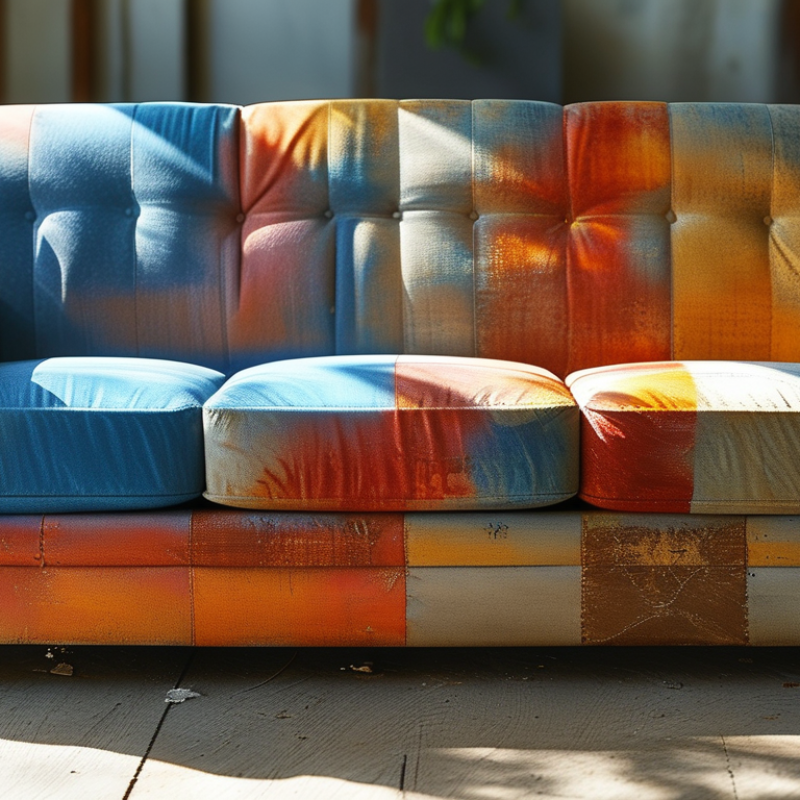
Sunlight can significantly impact the appearance of your sofa. Over time, exposure to UV rays leads to color fading. Whether your sofa is made of fabric or leather, this issue can ruin its aesthetic appeal. It's essential to understand why this occurs.
Fabric dyes, though initially vibrant, can break down when exposed to the sun. Leather, while durable, also suffers discoloration. Homeowners often overlook these effects until it’s too late. This fading not only affects beauty but can also suggest wear and tear in the material.
So, how to prevent sofa color fading in sunlight? Simple strategies can be effective. Regularly rearranging your furniture can limit sun exposure. Using protective covers when not in use can also help. Understanding these methods will maintain your sofa's freshness for years.
Understanding the Causes of Sofa Color Fading in Sunlight
Sofa color fading occurs due to exposure to sunlight, specifically ultraviolet (UV) rays. These rays break down dye molecules in fabric, leading to a noticeable change in color over time. Natural fibers like cotton and silk are particularly vulnerable. Synthetic fibers can also fade, but the effects may take longer to become apparent.
To protect your sofa, consider choosing UV-resistant fabrics. These materials are specially designed to withstand sunlight better than standard options. Additionally, regular cleaning can help maintain the fabric's integrity and color. Dust and dirt can trap UV rays, accelerating fading.
Positioning your sofa wisely is crucial. Avoid direct sunlight by moving it away from windows or using curtains. You can also rotate cushions periodically to ensure even exposure to light. Placement can impact both aesthetics and longevity. These small adjustments might take time to implement, but they can significantly enhance your sofa's lifespan.
Impact of Sunlight Exposure on Sofa Color Fading
This chart illustrates the severity of sofa color fading over time due to prolonged exposure to sunlight. As shown, significant fading can occur after just one month, increasing in severity with extended exposure.
The Science Behind UV Radiation and Its Effects on Fabrics
UV radiation plays a significant role in the fading of sofa fabrics when exposed to sunlight. According to the American Society for Testing and Materials (ASTM), UV rays can degrade fibers, causing them to become brittle and lose color. Studies show that as little as 30 minutes of direct sunlight can start the fading process. The most vulnerable fabrics include cotton, silk, and even some synthetics. They react differently to UV exposure, leading to a range of fading effects.
Preventing fabric fading requires several approaches. First, consider using window treatments to block UV rays. Research from the U.S. Department of Energy indicates that appropriate shades can reduce interior UV exposure by up to 99%. Additionally, choosing fabrics treated with UV stabilizers can enhance their resistance to sunlight. These specialized treatments effectively absorb UV rays, minimizing damage over time. Regular rotation of cushions can help even out exposure as well, providing an extra layer of protection.
While these strategies can significantly reduce fading, they are not foolproof. Natural fibers may eventually show signs of wear, regardless of precautions. Future research is needed to further understand the interactions between UV exposure and various fabric types. This ongoing exploration will help manufacturers create more durable materials. Investing in preventive measures can lead to better-maintained furnishings over the long term.
Common Sofa Materials and Their Susceptibility to Fading
Sofas made from different materials display varied susceptibility to fading when exposed to sunlight. Cotton and linen fabrics often retain their color well but are less durable against UV rays. According to a report by the American Society for Testing and Materials, these natural fibers can lose up to 30% of their color intensity in twelve months of direct sunlight. Synthetic materials, like polyester and acrylic, usually fare better. They can resist fading more effectively due to their inherent UV-resistant properties.
Leather is another common upholstery choice. While it might not fade as dramatically, it can dry out and crack when exposed to sunlight regularly. Studies indicate that direct UV exposure can degrade leather fibers over time, leading to loss of suppleness. This means leather requires specific care to maintain its quality and appearance.
Consider these strategies for protecting your sofa. Use window treatments to minimize sunlight exposure. Regularly rotate cushions to promote even wear. Finally, apply UV-protective sprays available for fabrics. These simple actions can extend the life and appearance of your sofa significantly. Remember that maintaining your furniture is an ongoing process. Regular inspection and care are essential for long-lasting beauty.
Preventive Measures to Protect Your Sofa from Sun Damage
Sofas are an essential part of home decor, but they can suffer when exposed to sunlight. Sunlight can cause colors to fade over time. This occurs due to UV rays breaking down fabric fibers. Natural materials like cotton and linen are particularly vulnerable. Synthetic fabrics may resist fading better, but they are not immune.
To protect your sofa from sun damage, consider using window treatments. Curtains or blinds can block some UV rays effectively. Specialized window films can also reduce glare and protect your furniture. Rearranging your room might help, too. Position your couch away from direct sunlight whenever possible. It’s a simple change, yet it can significantly extend the life of your sofa.
Regular maintenance is key. Rotate cushions to ensure even exposure, and clean them according to the manufacturer’s guidelines. This helps retain vibrant colors. Remember that while preventive measures are not foolproof, small adjustments can make a notable difference. Your sofa deserves care, and with attention, it can remain beautiful for years.
Choosing UV-Resistant Fabrics for Long-Lasting Colors
Choosing UV-resistant fabrics for your sofa is crucial to maintain vibrant colors over time. Sunlight can cause fabrics to fade, leading to an unattractive appearance. UV rays break down the chemical bonds in dyes, leading to discoloration. It can be disheartening to see your once-bright sofa lose its charm.
When selecting fabrics, look for materials specifically labeled as UV-resistant. These often undergo special treatments to withstand sun exposure. Fabrics like solution-dyed acrylic or polyester can retain color much longer compared to untreated alternatives. However, not all solutions are foolproof. Regular care, such as rotating cushions and using covers, can also help prevent fading.
While UV-resistant options provide better protection, they are not entirely immune. Some fading can still occur, albeit at a slower pace. It's essential to have realistic expectations regarding fabric longevity. Even the best materials may require replacement after years of exposure. Consider adding a protective layer or keeping your sofa away from direct sunlight to increase its lifespan.
Why Does Sofa Color Fade in Sunlight and How to Prevent It? - Choosing UV-Resistant Fabrics for Long-Lasting Colors
| Fabric Type |
UV Resistance |
Color Retention Rating |
Recommended Maintenance |
| Polyester |
High |
8/10 |
Regular cleaning, avoid direct sunlight |
| Acrylic |
Moderate |
7/10 |
Dust and clean with mild detergent |
| Cotton |
Low |
5/10 |
Avoid direct sunlight, wash regularly |
| Leather |
Medium |
6/10 |
Use a leather conditioner, keep away from sunlight |
| Synthetic Blends |
High |
9/10 |
Regular vacuuming, spot clean as needed |
FAQS
: Sunlight can cause fabrics to fade over time due to UV rays breaking down fibers.
Natural materials like cotton and linen are particularly susceptible to fading.
Use window treatments, like curtains or blinds, to block UV rays effectively.
Regularly rotating cushions ensures even exposure and helps retain vibrant colors.
No, they resist fading better but are not entirely immune to discoloration.
Fabrics like solution-dyed acrylic or polyester retain their colors longer.
Yes, positioning your couch away from direct sunlight can extend its life.
Clean according to the manufacturer’s guidelines to help maintain its appearance.
Even the best fabrics may fade and require replacement after years of exposure.
Yes, it can significantly help in prolonging your sofa's lifespan.
Conclusion
Sofa color fading in sunlight is a common issue caused by the damaging effects of UV radiation on various fabric materials. Understanding the science behind this phenomenon reveals how UV rays break down dye molecules in fabrics, leading to discoloration and a loss of vibrancy. Different sofa materials exhibit varying levels of susceptibility to fading, with some being more prone to damage than others.
To address the question of how to prevent sofa color fading in sunlight, several effective preventive measures can be implemented. These include positioning sofas away from direct sunlight, using window coverings to block UV rays, and selecting UV-resistant fabrics that offer better protection against fading. By taking these steps, homeowners can preserve the aesthetic quality of their sofas and ensure long-lasting colors.

 Ambrose Home