Chairs are a fundamental piece of furniture, yet many people face the issue of instability. Understanding "why do chairs become unstable or wobble" is crucial for both manufacturers and consumers. According to a report by the American Furniture Manufacturers Association, nearly 30% of furniture complaints relate to stability issues. This is not just about discomfort; it can lead to accidents and injuries in homes and workplaces.
The quality of materials and construction methods play significant roles in chair stability. For instance, a report from the International Journal of Furniture Design highlights that a well-made chair can last years without wobbling. Conversely, chairs made from lower-grade materials often lose stability quickly. Factors such as uneven legs, poor assembly, and wear over time contribute to this problem.
Consumers must pay attention to product reviews and ratings. Research indicates that over 50% of buyers consider reviews important for understanding product reliability. While every chair has its limits, identifying the underlying causes of instability can guide smarter purchasing decisions. This complexity underscores the importance of not overlooking details during design and manufacturing processes.
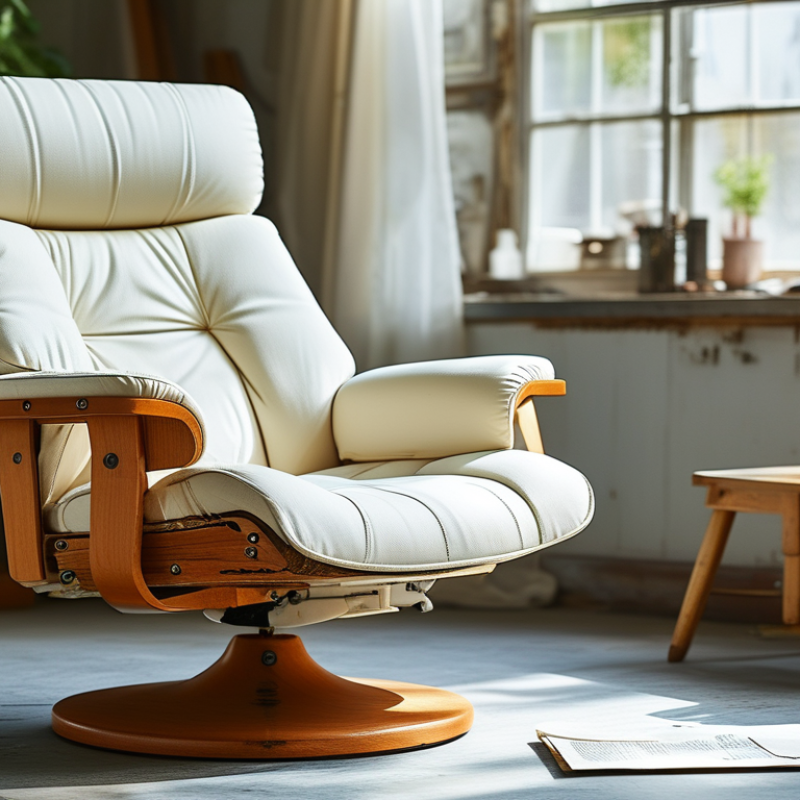
Chairs can become unstable for various reasons, contributing to a wobbly experience that can be both annoying and potentially dangerous. Research indicates that improper assembly or poor manufacturing quality are primary causes of chair instability. According to industry reports, about 40% of chair complaints stem from assembly errors. If bolts are not tightened properly, or components are misaligned, this can create a shaky structure.
Wear and tear also play a significant role in chair instability. Over time, legs can become uneven due to damage or environmental factors. A study found that nearly 30% of office chair failures are linked to leg issues. Additionally, using chairs on uneven surfaces exacerbates the problem. Small adjustments, such as adding adhesive pads, can sometimes correct these imbalances, yet this is often overlooked by users.
Furthermore, weight distribution matters. An imbalanced weight load can stress joints, leading to loosening over time. Notably, chairs designed for commercial use have stricter testing standards and typically demonstrate greater durability. However, this doesn't guarantee stability. Users must regularly check their chairs for signs of wear or structural issues to maintain safety. Ignoring these factors only leads to greater risks and expenses in the long run.
Chairs can become unstable or wobbly for various reasons. Common types of wobbly chairs include those with uneven legs, loose screws, and deteriorating joints. Uneven legs are often found in wooden chairs, where the floor is uneven. A simple solution may involve using furniture pads or adjusting one leg for balance.
Loose screws are another frequent cause. According to the Furniture Manufacturers Association, around 30% of furniture assembly issues result from missing or loose hardware. Periodically check screws and tighten them when necessary. This simple maintenance can prolong the chair's life and ensure stability.
Deteriorating joints can lead to movement between seat and legs, particularly in older chairs. Over time, glue and screws may weaken. A visual inspection can help detect problem areas. Consider reinforcing joints with wood glue or brackets. Regular maintenance is crucial for furniture longevity.
In addition, be mindful of weight capacity. Each chair has a specific limit. Exceeding it compromises stability, regardless of workmanship. A chair must feel solid under use. Aim for stability before comfort when selecting furniture.
The floor surface plays a crucial role in chair stability. Different surfaces, such as carpet, tile, or wood, can significantly affect how a chair feels. For instance, a chair on a plush carpet may sink slightly, making it wobbly. In contrast, a flat tile floor provides a more stable foundation. This variability can lead to discomfort and even safety issues.
When chairs wobble, they often indicate an underlying problem. It can stem from uneven legs or a mismatch with the floor surface. Checking your chair’s legs is essential. If one leg is shorter, it can cause instability. In some cases, adding small pads to the legs can mitigate the issue. However, this is not always a permanent fix.
The interaction between the chair and the floor invites reflection on design choices. Some chairs are designed for specific environments. A dining chair may not be stable on a thick rug, while an office chair is optimized for flat surfaces. Acknowledging these factors can lead to better seating choices. Remember, a chair's purpose is to provide comfort and support—any wobble can be a significant drawback.
Wobbly chairs can be frustrating. Over time, wear and tear can cause joints to loosen, leading to instability. One common issue is uneven legs. If one leg is shorter, it can create a wobble. Check each leg for evenness. If a leg is shorter, consider adding a furniture pad or adjusting it.
Repairing a wobbly chair doesn’t require extensive skills. Start by tightening screws and bolts. Use a screwdriver to fix any loose connections. If the chair still wobbles, consider wooden wedges. Insert them in the loose joint. This can provide additional support. For more serious issues, a comfortable corner can become an unstable hazard.
Maintaining your chair is essential. Regularly inspect it for loose parts or wear. If the chair is wooden, apply furniture polish. It helps protect the wood. Even small cracks should not be ignored. Addressing these can prolong the life of your chair. Keep it secure, and enjoy a stable seat for years to come.
| Issue | Description | Solution | Maintenance Tip |
|---|---|---|---|
| Uneven Legs | One or more legs are of different lengths, causing instability. | Use furniture coasters or pads to level out the legs. | Regularly check the chair's legs for wear. |
| Loose Joints | Joints between parts may become loose over time. | Tighten screws or use wood glue to secure joints. | Check and tighten joints periodically. |
| Worn-out Feet | Feet may be cracked or have worn down surfaces. | Replace feet or add grip pads for stability. | Check for wear and replace feet as needed. |
| Frame Damage | The structure of the chair may have cracks or breaks. | Repair with wood filler or replace broken parts. | Handle chairs carefully to avoid structural damage. |
| Uneven Surface | Sitting on an uneven surface can cause wobbling. | Adjust the chair position or level the surface. | Ensure the surface where the chair is placed is flat. |
Chairs can become unstable due to various factors. Uneven floors, loose screws, or worn-out legs contribute to wobbling. When a chair lacks a sturdy foundation, it can feel unsafe. Regular maintenance is essential to prevent these issues.
Check for loose parts regularly. Tighten screws and bolts every few months. If a chair is wooden, inspect for cracks. Damaged legs can lead to instability. Replacing aged or broken parts ensures safety.
Consider the floor surface. Use coasters or rugs under chairs on uneven floors. These additions provide extra support. Avoid using chairs on soft surfaces, which can sink in. When moving chairs, lift instead of dragging. This prevents damage to the legs. Proper care extends the life of your chair while keeping it stable.
: A chair can wobble due to uneven legs, loose screws, or weak joints.
You can add furniture pads or adjust the shorter leg to achieve balance.
Tightening loose screws helps prevent instability and prolongs the chair's life.
Inspect visually and reinforce joints with wood glue or brackets for support.
Surfaces like plush carpets can cause wobbling, while flat tile offers better stability.
Consider using wooden wedges in loose joints for added stability and support.
Regular inspections for loose parts or wear are essential for longevity and safety.
No, some chairs are designed for specific environments, impacting stability on different floors.
Yes, exceeding the weight limit can compromise stability, regardless of the chair's construction.
Consider the chair's purpose and environment to ensure it offers comfort and support without wobbling.
Chairs often become unstable or wobble due to various factors, which can include uneven floor surfaces, wear and tear on the chair's joints, or the design of the chair itself. Common types of wobbly chairs can be identified by certain characteristics, such as loose legs or an imbalanced base. The surface on which the chair is placed significantly impacts its stability, as uneven floors can exacerbate wobbliness, leading to discomfort and increased risk of accidents.
To address the issue of instability, regular repair and maintenance can be effective, including tightening screws and ensuring legs are of equal height. Preventative measures are also crucial in avoiding chair instability, such as regularly checking furniture for signs of wear and using stabilizers or sliding pads on uneven surfaces. Understanding why do chairs become unstable or wobble is key to selecting the appropriate solutions to maintain their functionality and safety.

Ambrose Home