Ambrose Home
1. Economic Context: The Central Asian Real Estate Renaissance
Uzbekistan is undergoing a historic economic transformation. Led by government reforms and extensive foreign direct investment (FDI), cities like Tashkent, Samarkand, and Namangan are experiencing a major construction boom. Master plans such as Tashkent City and New Tashkent have catalyzed demand for high-end residential apartments, premium business parks, and 5-star hospitality projects.
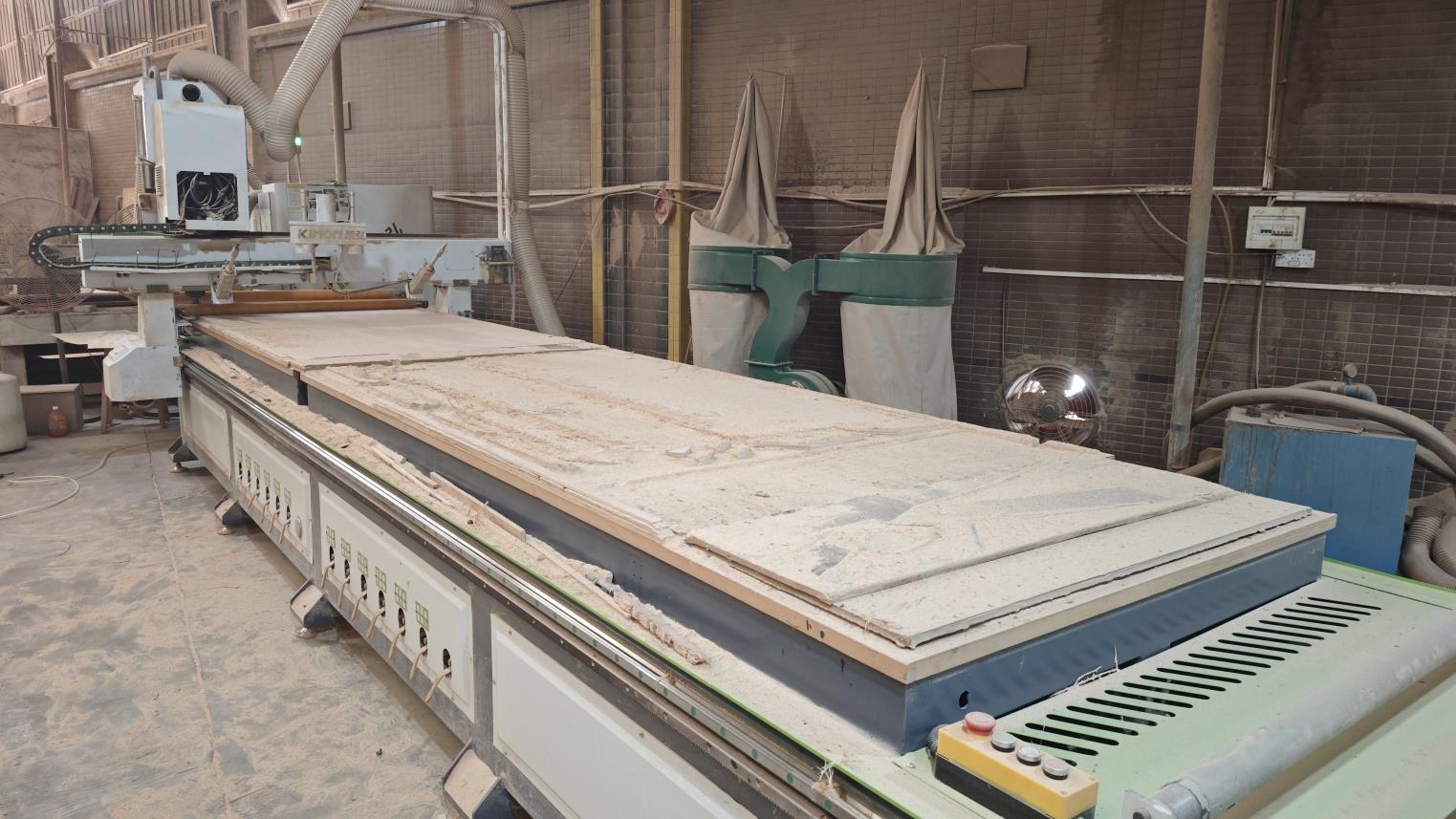
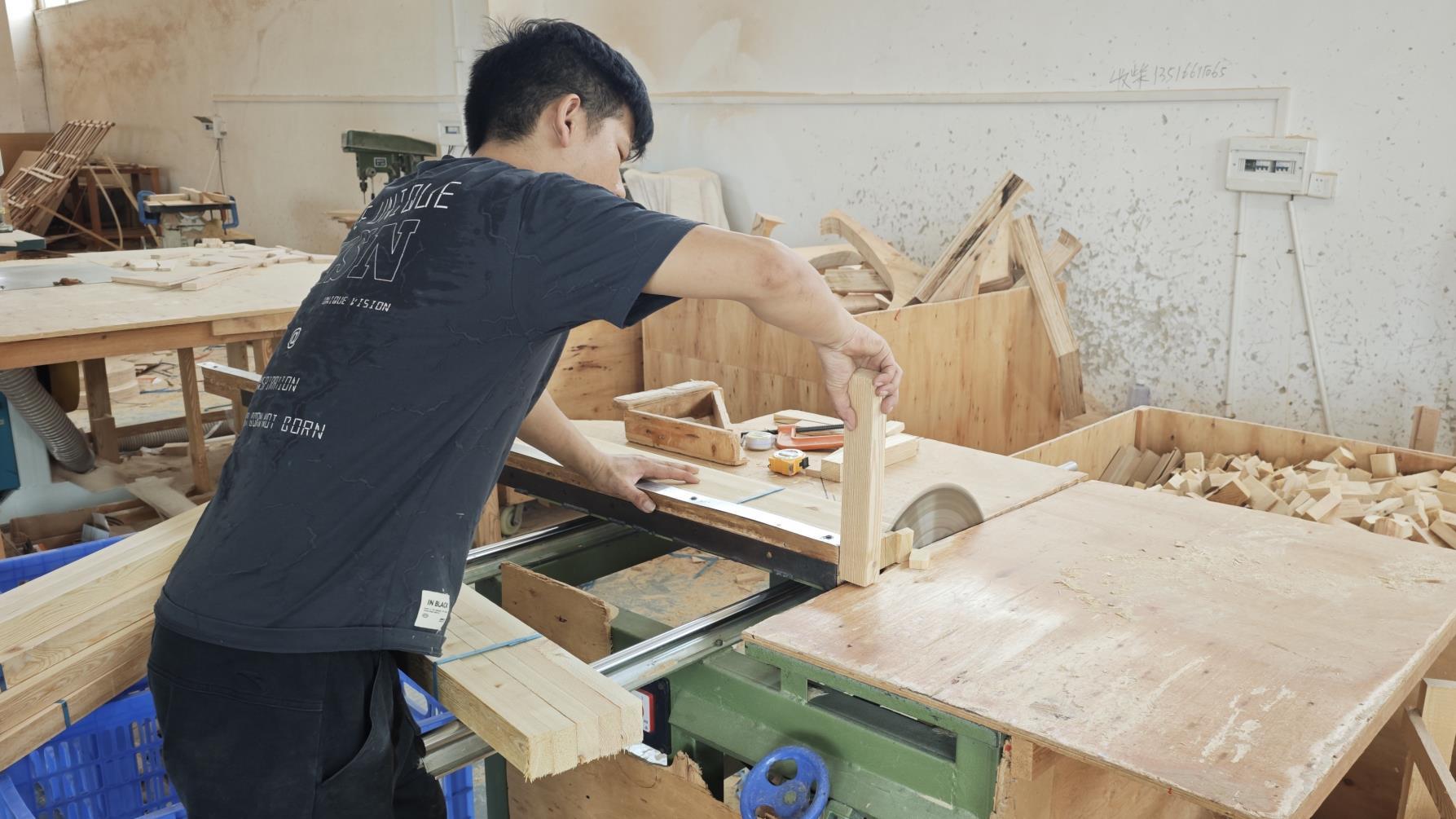
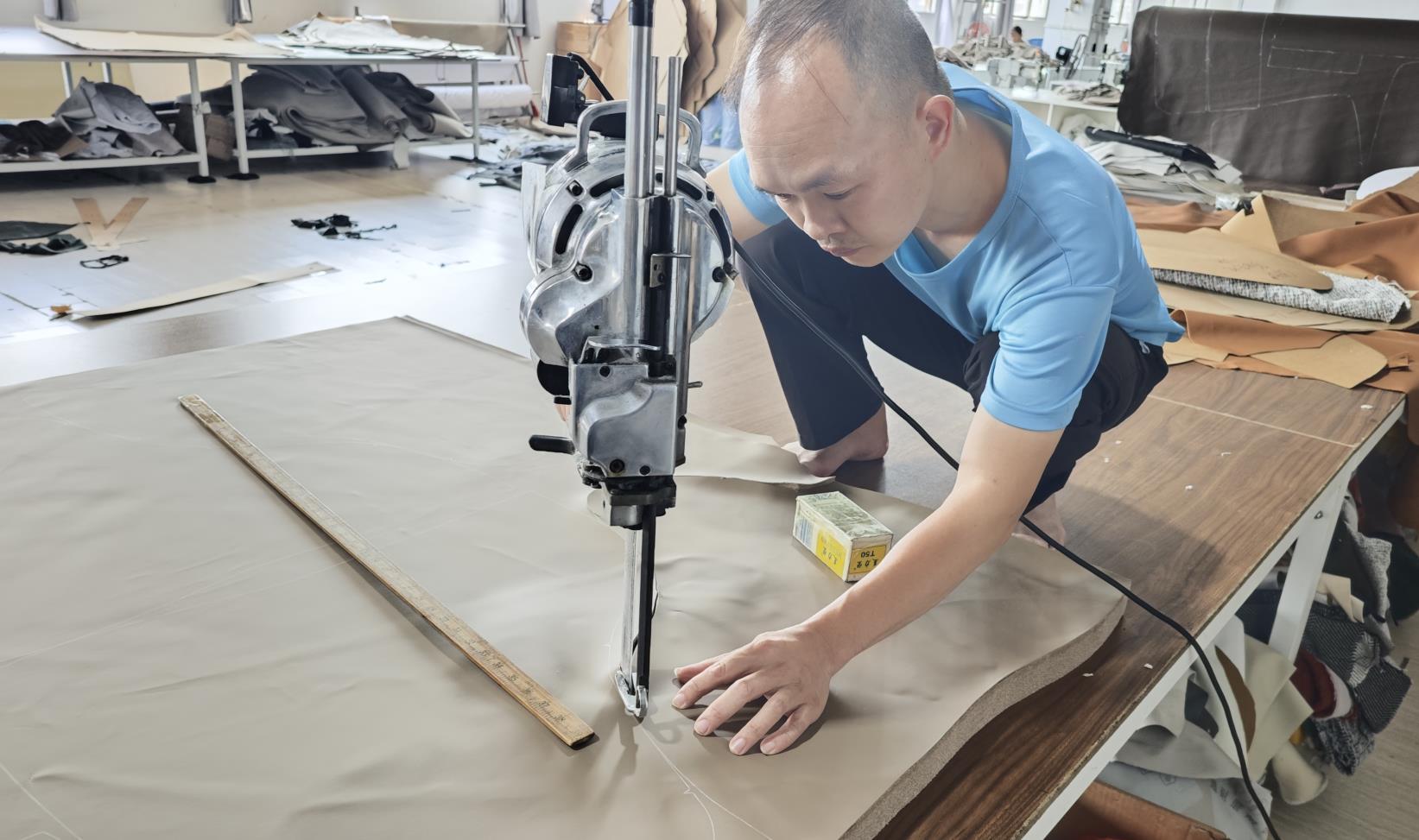
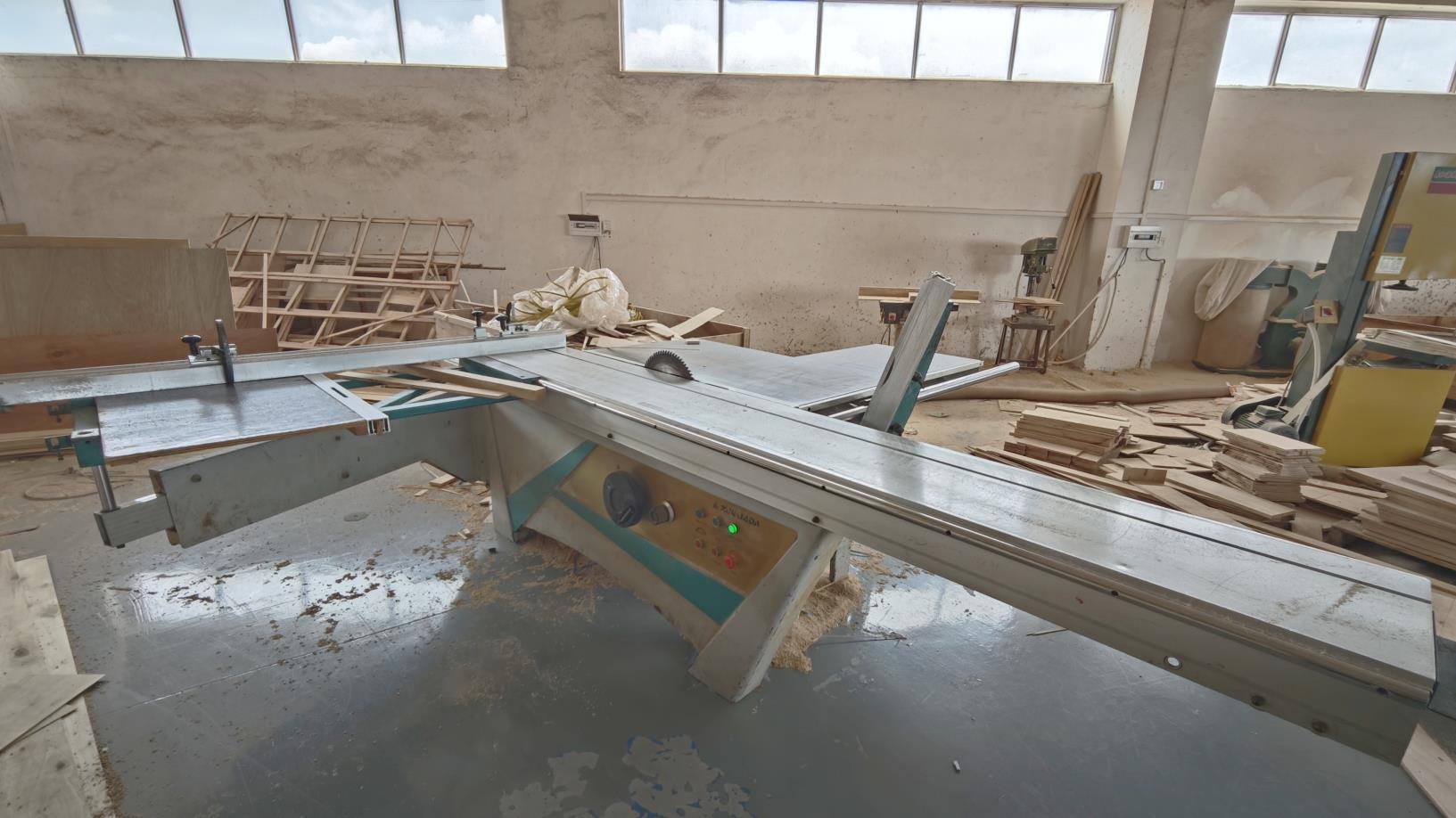
This rapid development has exposed a significant gap in the local supply chain: the shortage of premium-grade, durable, and modern living room accent furniture. While local production excels in traditional, basic cabinetry, high-end hospitality projects require sophisticated metal-and-leather combinations, kiln-dried structural solid wood, and international fire-retardant standard fabrics. As a result, developers and procurement agencies are actively looking to partner with direct-from-factory manufacturers in China.
Driving the critical demand for turnkey hospitality, residential, and corporate lounge furniture.
2. Design Trends: Where Silk Road Heritage Meets Modern Luxury
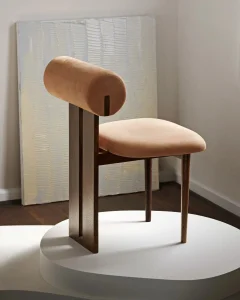
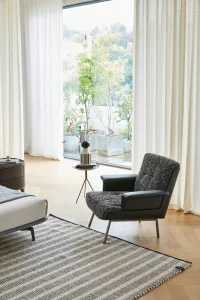
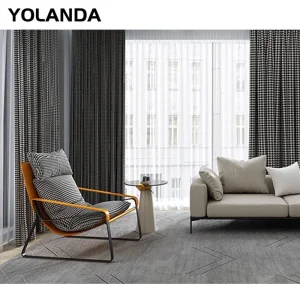
In the modern Uzbekistan market, interior design preferences are evolving. Traditional, heavy classical furniture is transitioning toward "Modern Luxury" (Neoclassicism) and Industrial Minimalism. For premium living rooms and executive hotel suites, accent chairs must serve as statement pieces.
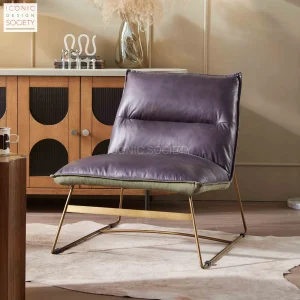
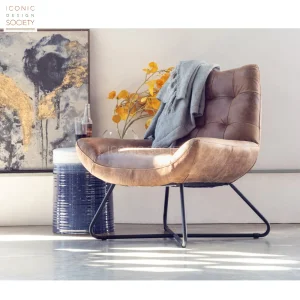
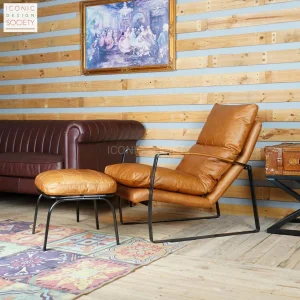
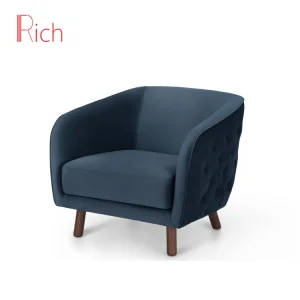
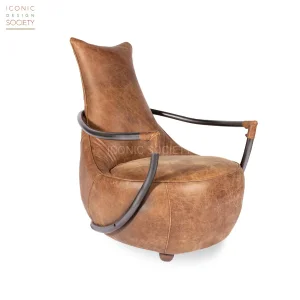
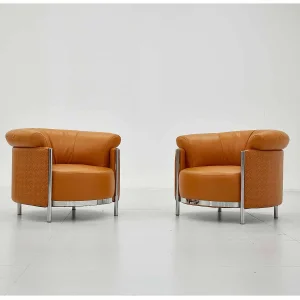
Current color palettes favored by Central Asian designers tend toward rich jewel tones—emerald green, deep sapphire, and mustard yellow velvets—juxtaposed against premium, hand-finished distressed cognac leathers. Metal accents featuring matte gold, brushed titanium, and champagne-gold electroplated steel frames are heavily utilized to evoke a sense of heritage and opulence while keeping lines clean and contemporary.
3. Global Sourcing Challenges & The Direct Manufacturer Advantage
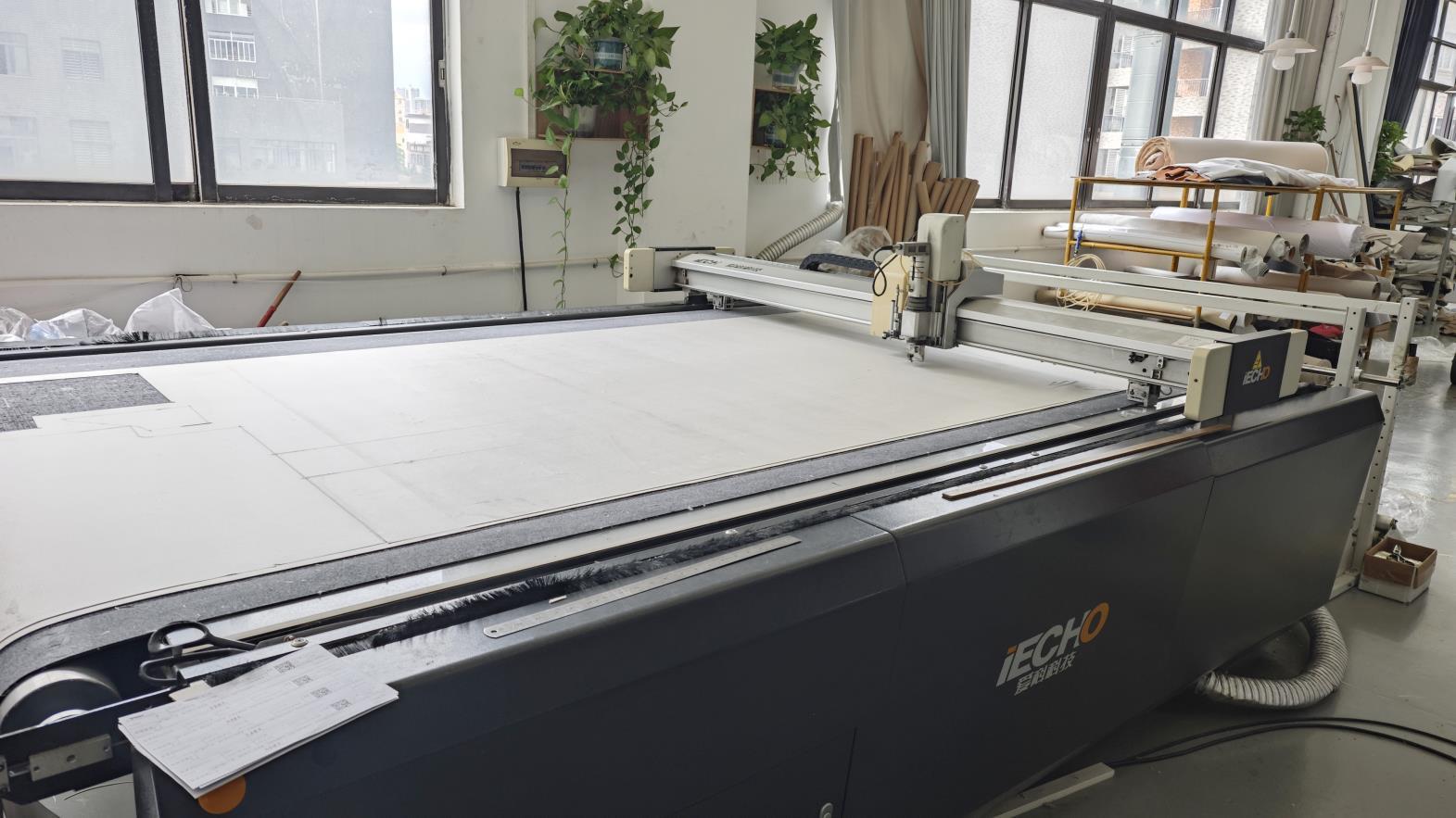
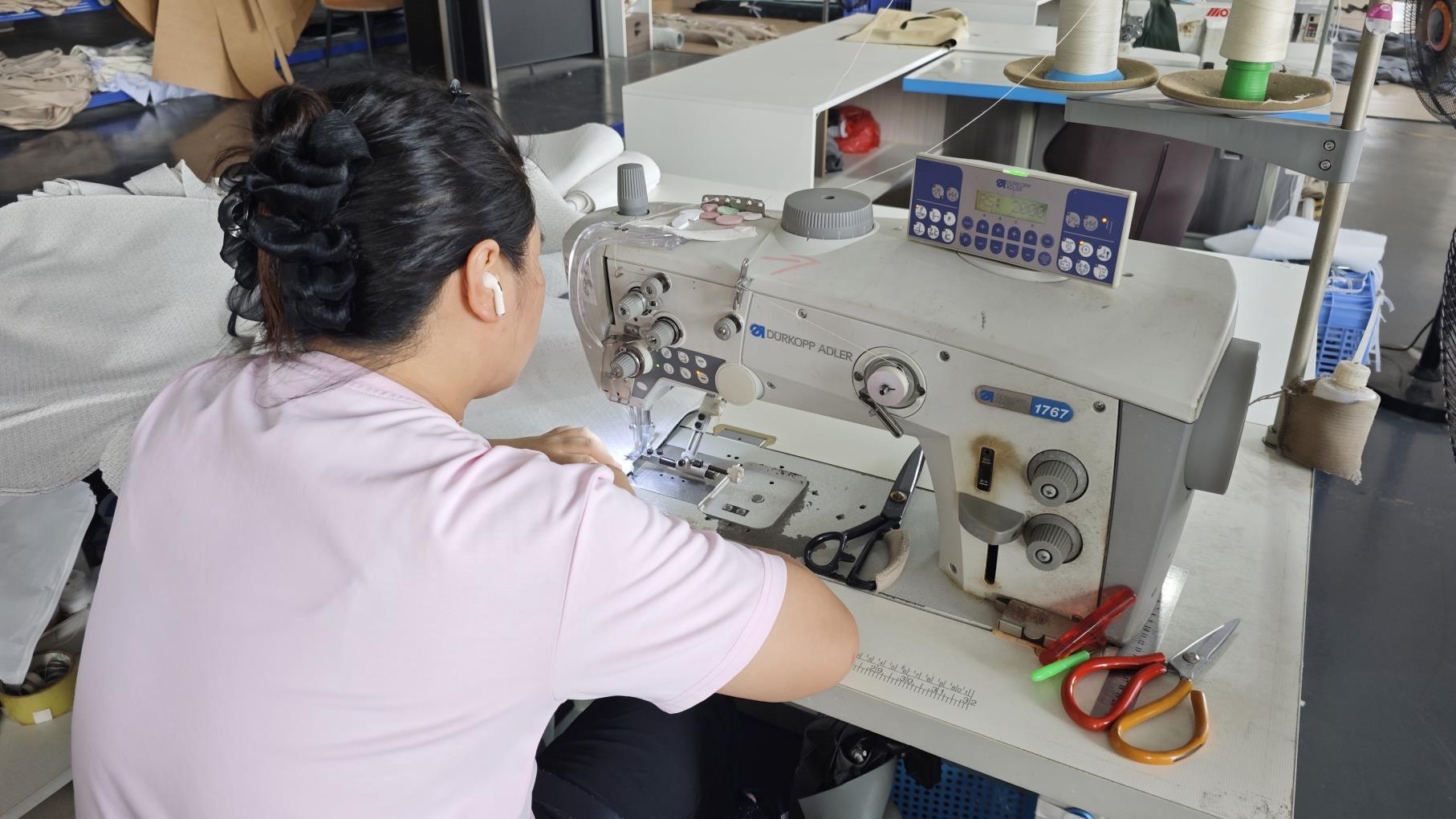
Historically, importers in Tashkent relied on multi-tiered trading companies, which inflated prices and obscured structural quality details. In today's competitive environment, direct-to-factory sourcing is essential. Procurement managers must ensure:
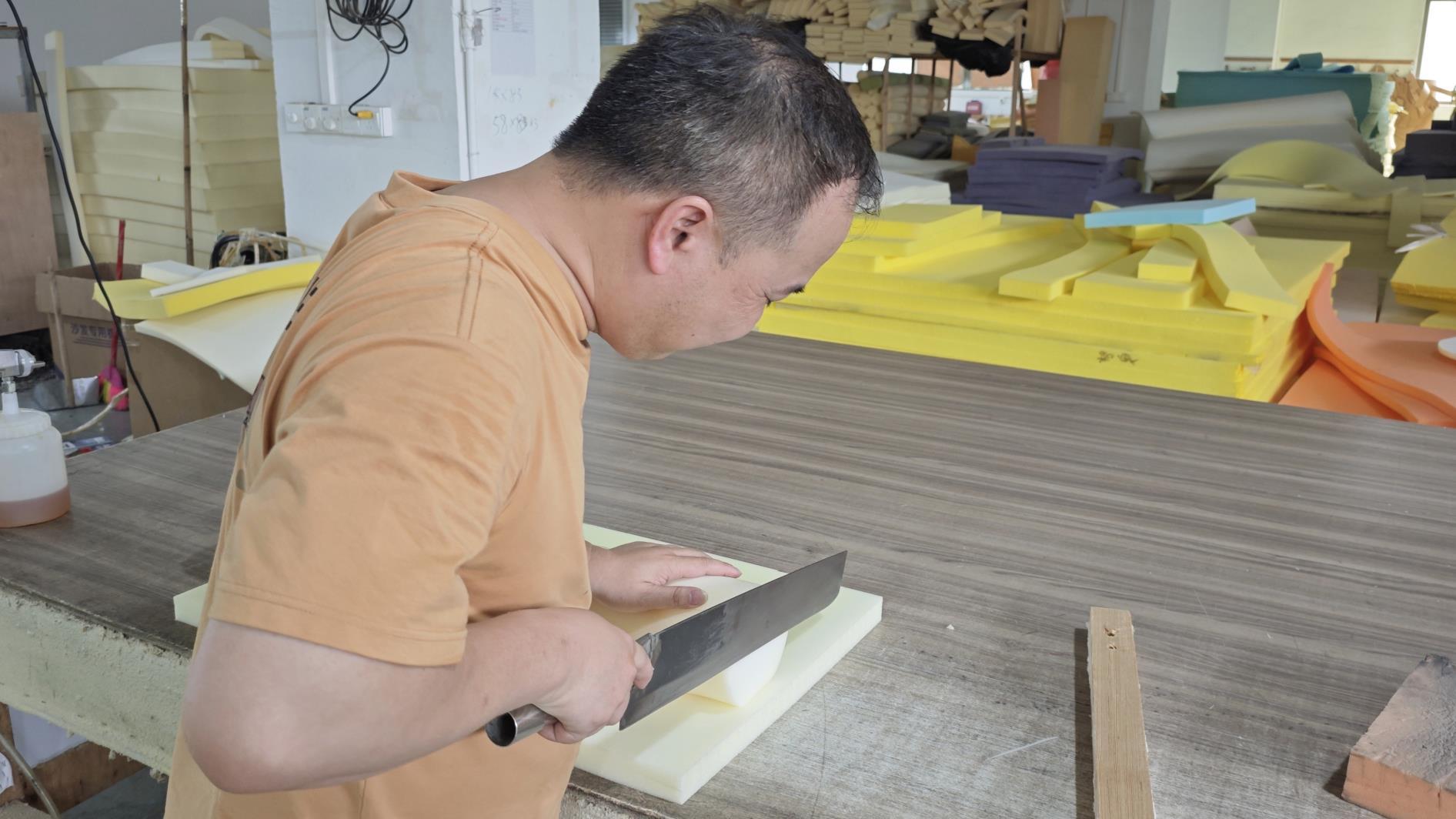
- Material Certification: Traceable wood, low-formaldehyde finishes, and certified high-resiliency foams.
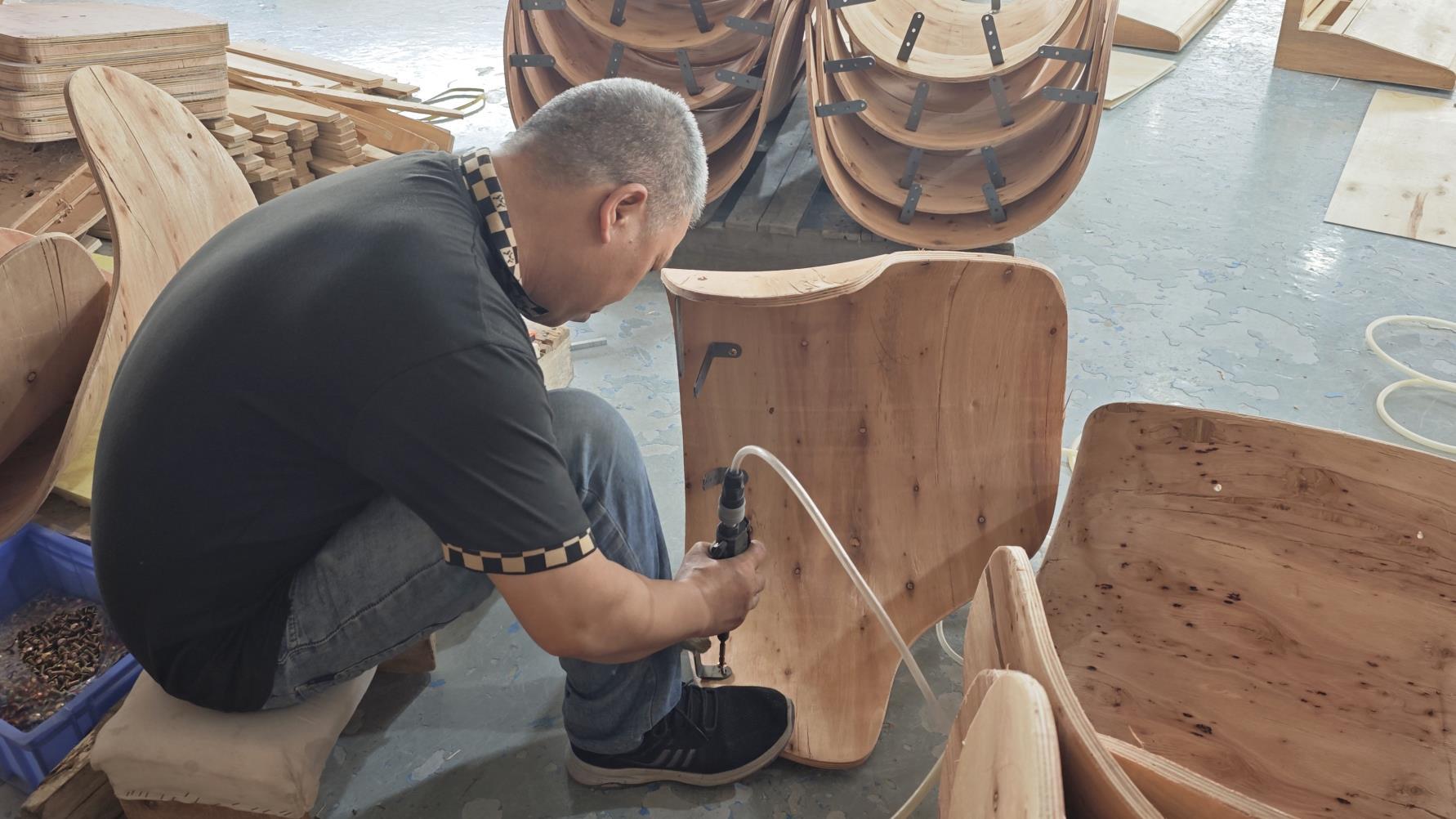
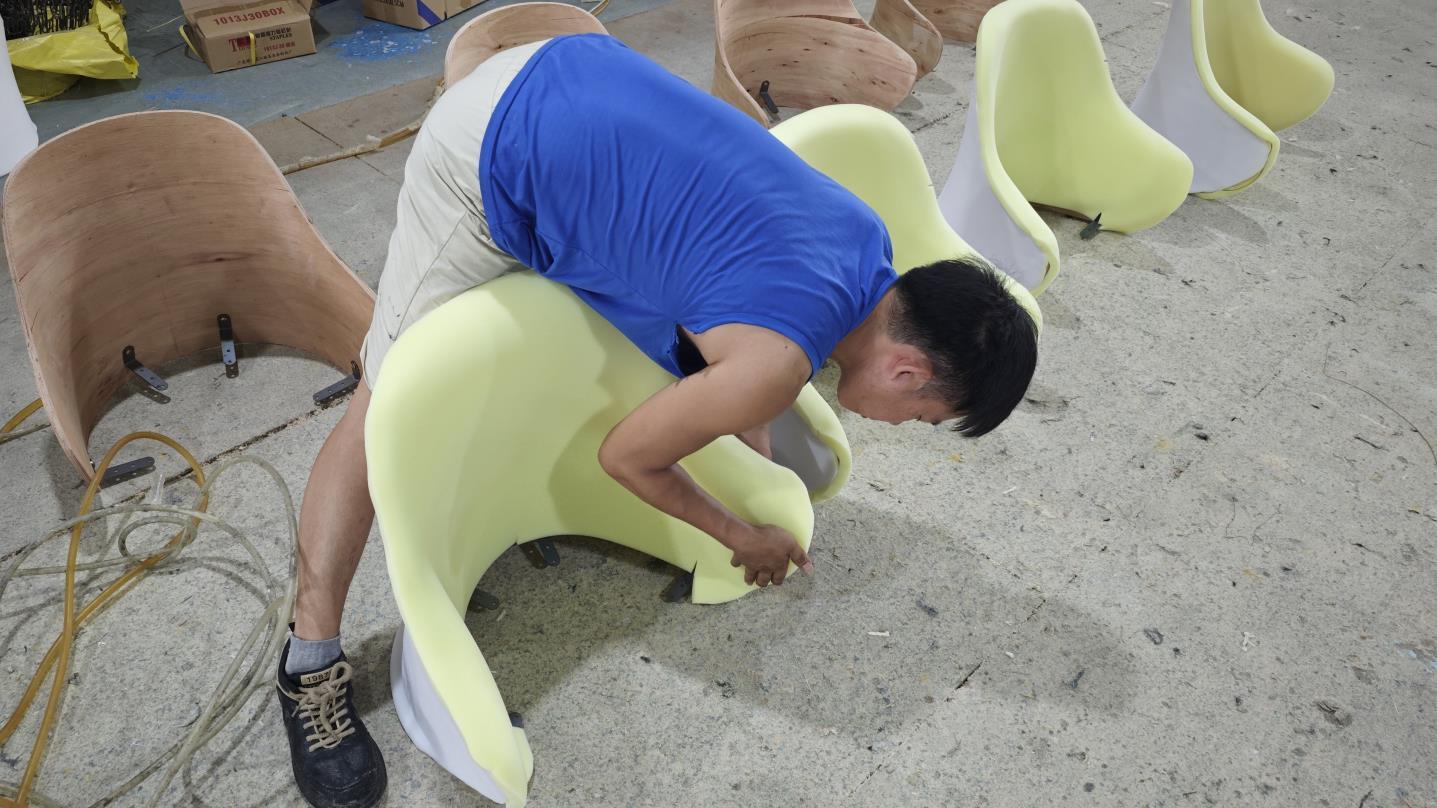
- Structural Integrity: Mortise-and-tenon joinery combined with reinforced steel undercarriages.
- Logistical Efficiency: Packaging optimization for road and rail transport via the China-Kyrgyzstan-Uzbekistan (CKU) corridor to prevent damage and reduce container shipping costs.